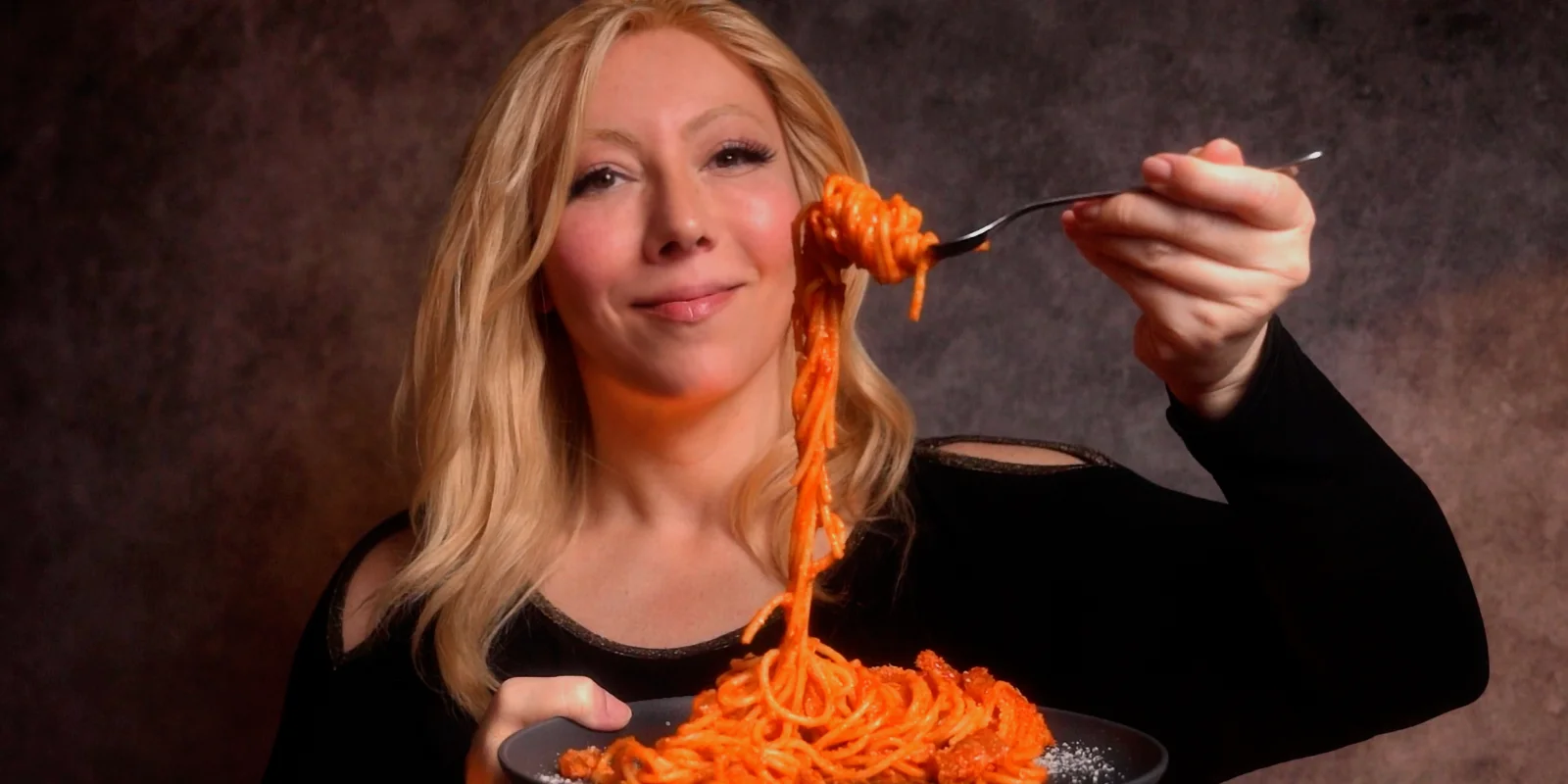
Pasta, with its comforting texture and versatility, has become a beloved staple in many households worldwide. However, discussions about its health benefits and concerns often leave people wondering, “Is pasta healthy?” In this article, we embark on a comprehensive journey through the latest scientific research to shed light on the topic. By exploring factors such as blood sugar response, impact on weight gain and loss, and the notion of “healthy” Italian pasta brands, we aim to separate fact from fiction and provide a nuanced understanding of pasta’s place in a healthy diet.
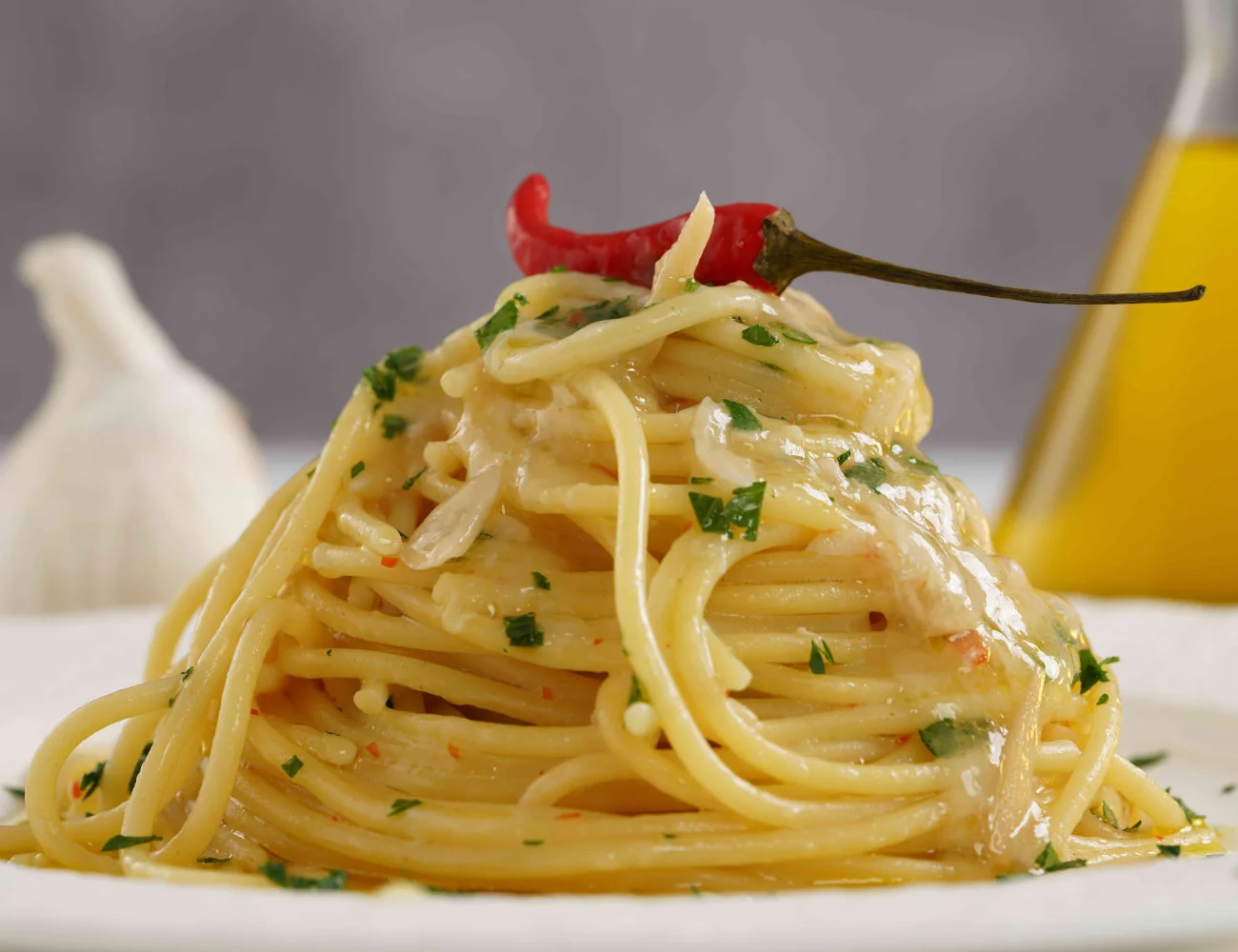
Blood Sugar Response: Pasta Flour vs. Other Flours
Blood sugar response plays a crucial role in determining the impact of pasta on our overall health. Contrary to popular belief, pasta flour, particularly durum wheat, has a lower glycemic index compared to other flours, such as white flour or whole wheat flour.
The glycemic index measures how quickly carbohydrates in food raise blood sugar levels. Studies have shown that pasta made from durum wheat flour has a slower digestion rate, resulting in a more gradual release of glucose into the bloodstream. This slower release helps maintain steady blood sugar levels and can be beneficial for weight management and overall metabolic health.
While pasta made from refined white flour may have a higher glycemic index, the impact on blood sugar response can be mitigated by various factors. Cooking pasta al dente (firm to the bite) and pairing it with fiber-rich ingredients like vegetables or legumes can further slow down the digestion process, reducing the glycemic impact. Additionally, consuming pasta as part of a balanced meal that includes protein, healthy fats, and vegetables can help modulate blood sugar response.
Want to learn more on this topic?
- Jenkins, D. J. A., et al. (2002). Glycemic index: overview of implications in health and disease. American Journal of Clinical Nutrition, 76(1), 266S-273S.
- Livesey, G., et al. (2008). Glycemic response and health—a systematic review and meta-analysis: relations between dietary glycemic properties and health outcomes. American Journal of Clinical Nutrition, 87(1), 258S-268S.
- Jenkins, D. J. A., et al. (2012). Effect of processing on the glycemic index of carbohydrate-containing foods. Food Science & Technology Bulletin: Functional Foods, 9(1), 41-54.
Or, check out our cookbook:
While tripe isn’t for everyone, this is the definitive Italian Tripe recipe for anyone who likes beef tripe. The sauce—with tomato, mint, white wine and pecorino cheese—is divine.
This recipe uses beef tripe parts from all three edible stomachs of the cow. Preparing tripe is not complicated—the complicated part may be finding it at a local butcher!
Tripe is extremely nutritious! It is low in fat and high in protein. In ancient times, it was a main source of nutrition for poor Italians who couldn’t afford choicer cuts of meat.
Watch the Video Recipe!
Learn how to make Italian Tripe recipe with our video recipe, filmed in Italy:

Subscribe to our YouTube Channel
More video recipes? Subscribe to our YouTube Channel (it’s FREE) and click the bell to get notifications when we release a new video recipe!
How to Make Italian Tripe
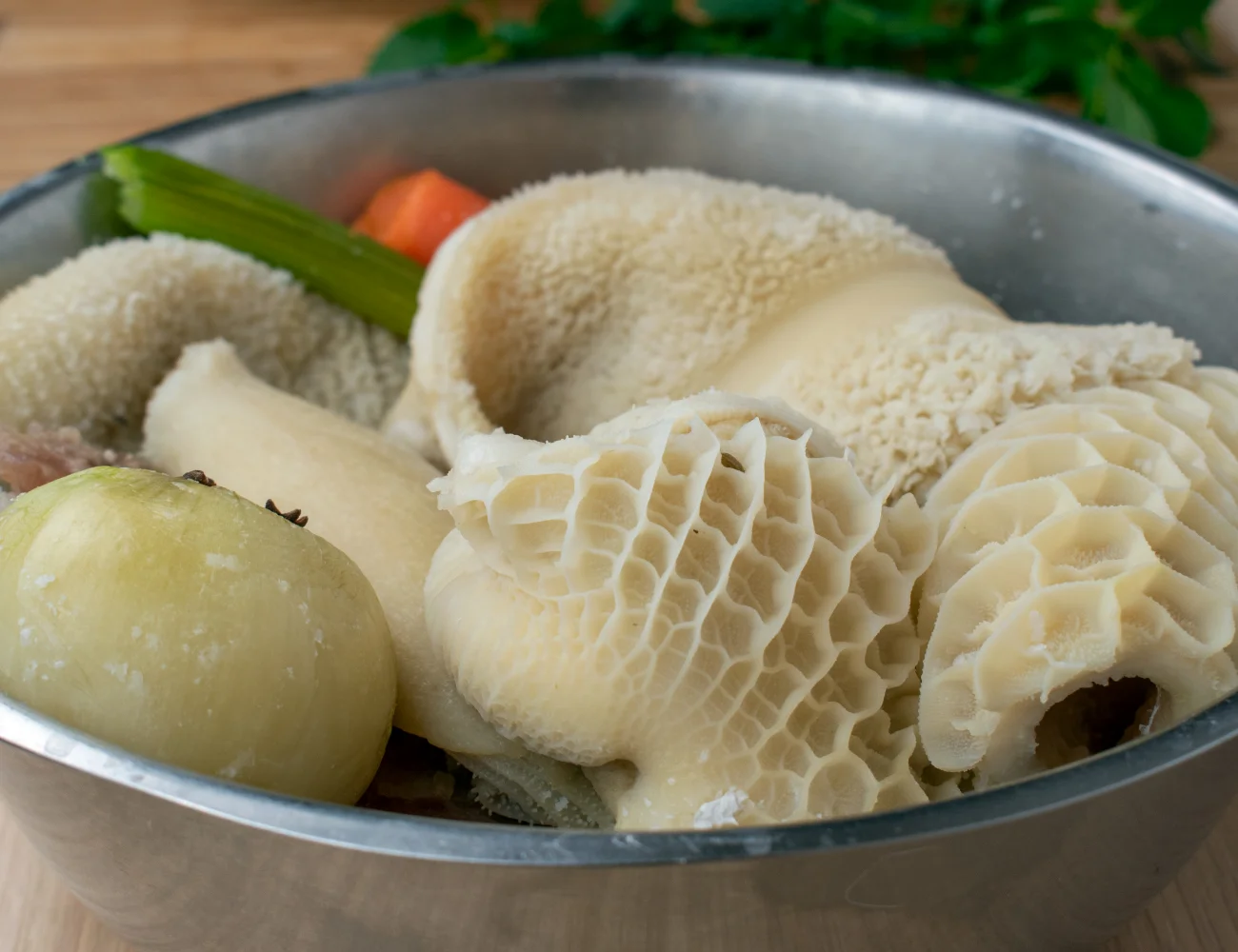
For the complete recipe for making Roman Tripe, check out the recipe card below!
What is Tripe?
Tripe is the edible stomachs of the cow. There are three, each with a different texture.
Boil it for 15 minutes.
Even if the tripe you’ve purchased is already clean, we recommend boiling it in salt water with onion, carrot and celery for 15 minutes to remove any lingering odor.
Serve with bread!
Italian Tripe is traditionally served with bread for a fantastic scarpetta (sopping up the sauce).
Best Pasta Cookbook? Ours!
Seductive strands of pasta and sumptuous sauces… Are you ready to indulge in an unforgettable Pasta Affair? This cookbook is a must-have for any serious lover of Italian food, featuring over 50 classic pasta recipes you can make at home!
AVAILABLE AS A PRINT HARDCOVER OR EBOOK
Tomato Products We Recommend
This tripe recipe calls for crushed tomatoes. In Italy, Italians have a secret for crushed tomatoes: they use or buy whole peeled tomatoes, remove the seeds and ‘water’ and then crush them with a blender or by hand. Why not just buy crushed tomatoes?
Italians know that canned crushed tomatoes tend to be less sweet than passata (purée) or whole peeled canned tomatoes. This is because skins and seeds often make their way into crushed tomato products, which produces a less sweet product.
For dishes like Roman Style Tripe (Trippa alla Romana), here in the PIATTO™ kitchen we tend to use:
To find out more about why, check out our guide on best canned tomatoes for sauce!
As an Amazon Associate, we earn from qualifying purchases. This means at no extra cost to you, PIATTO may earn a small commission if you click the links and make a qualifying purchase.
Other Italian Tripe Recipes
Check out the traditional recipe for Trippa alla Fiorentina (Florence Style Tripe) on our website!
Discover More Roman Food Recipes!
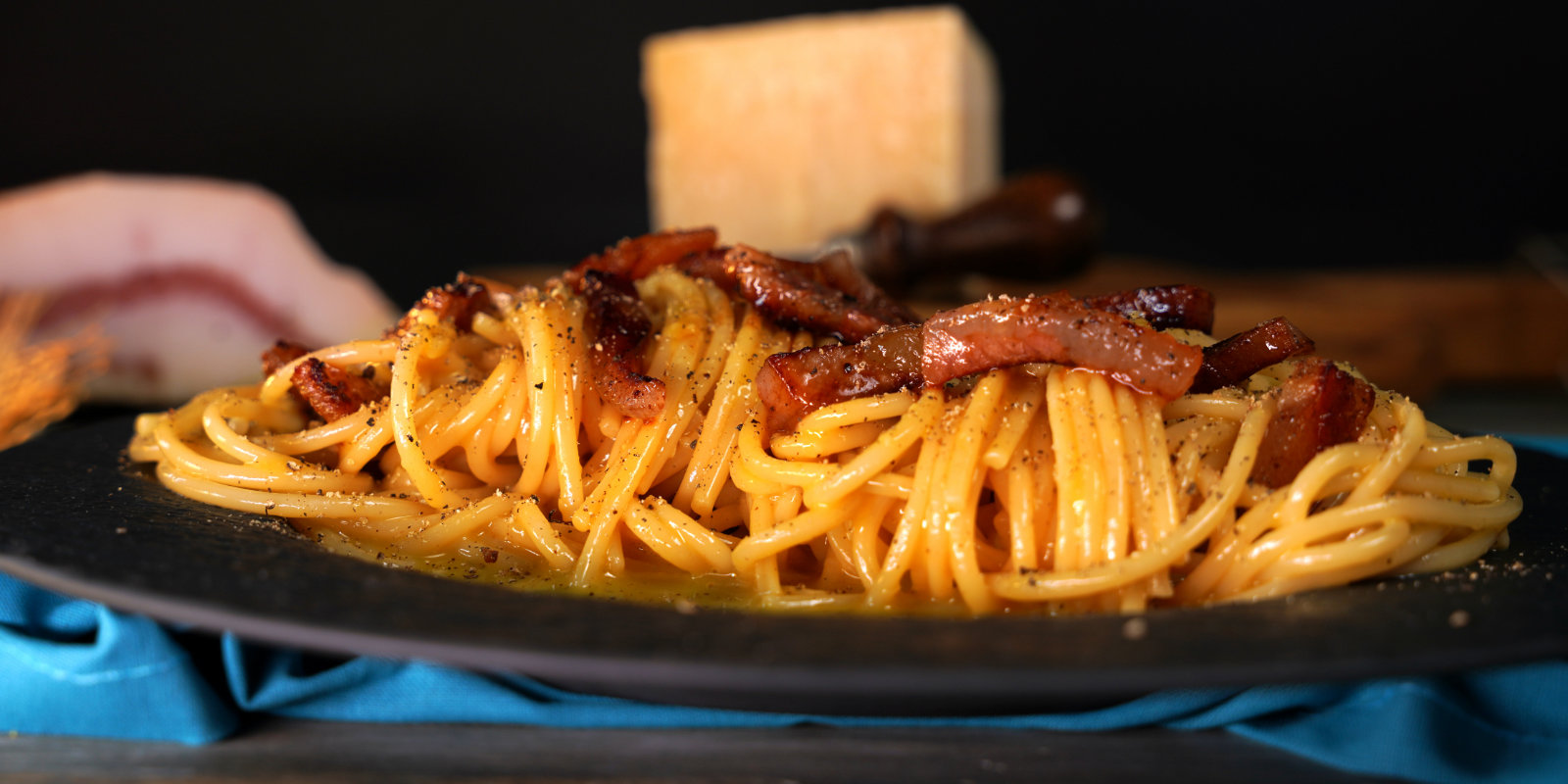
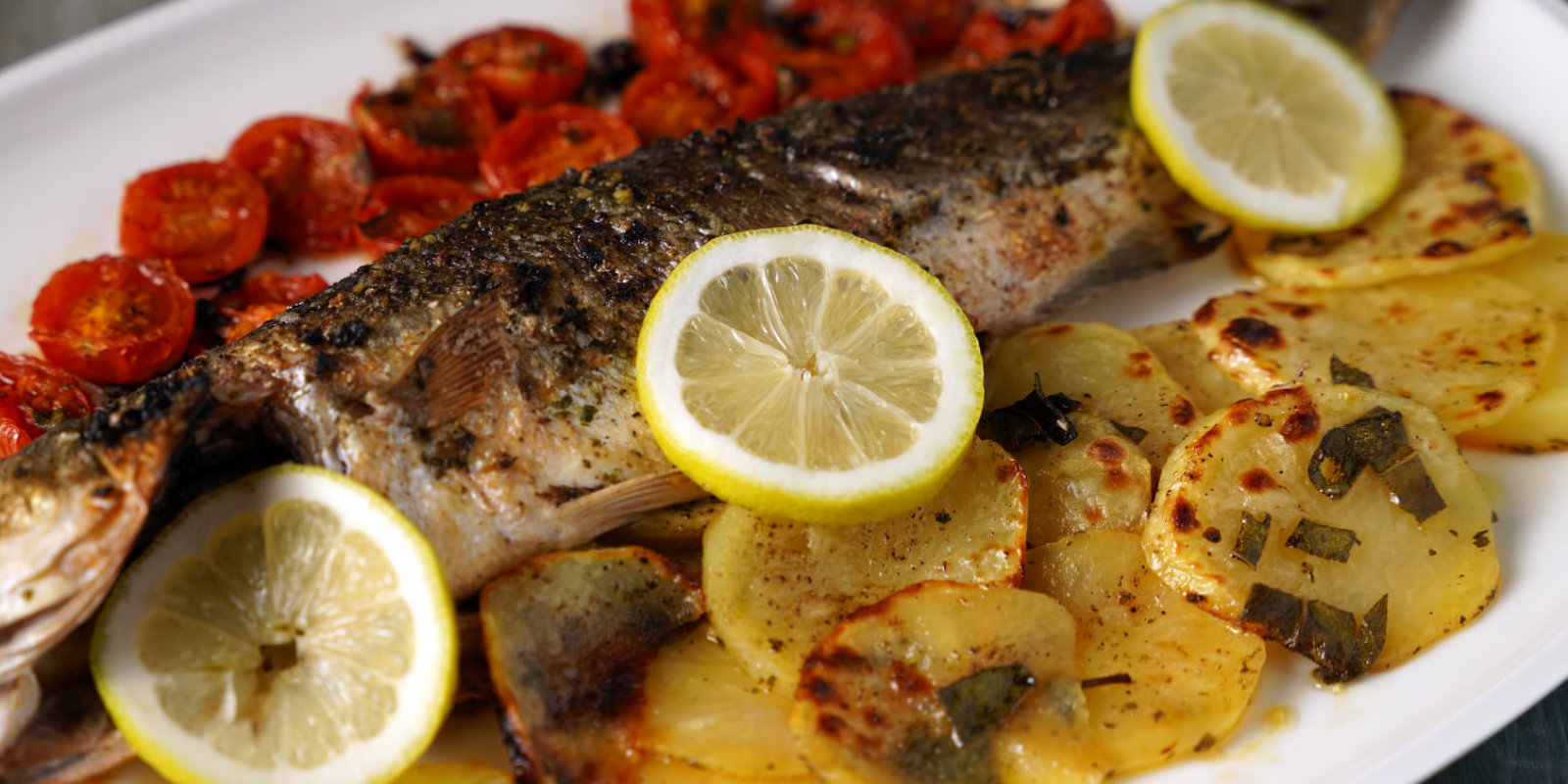
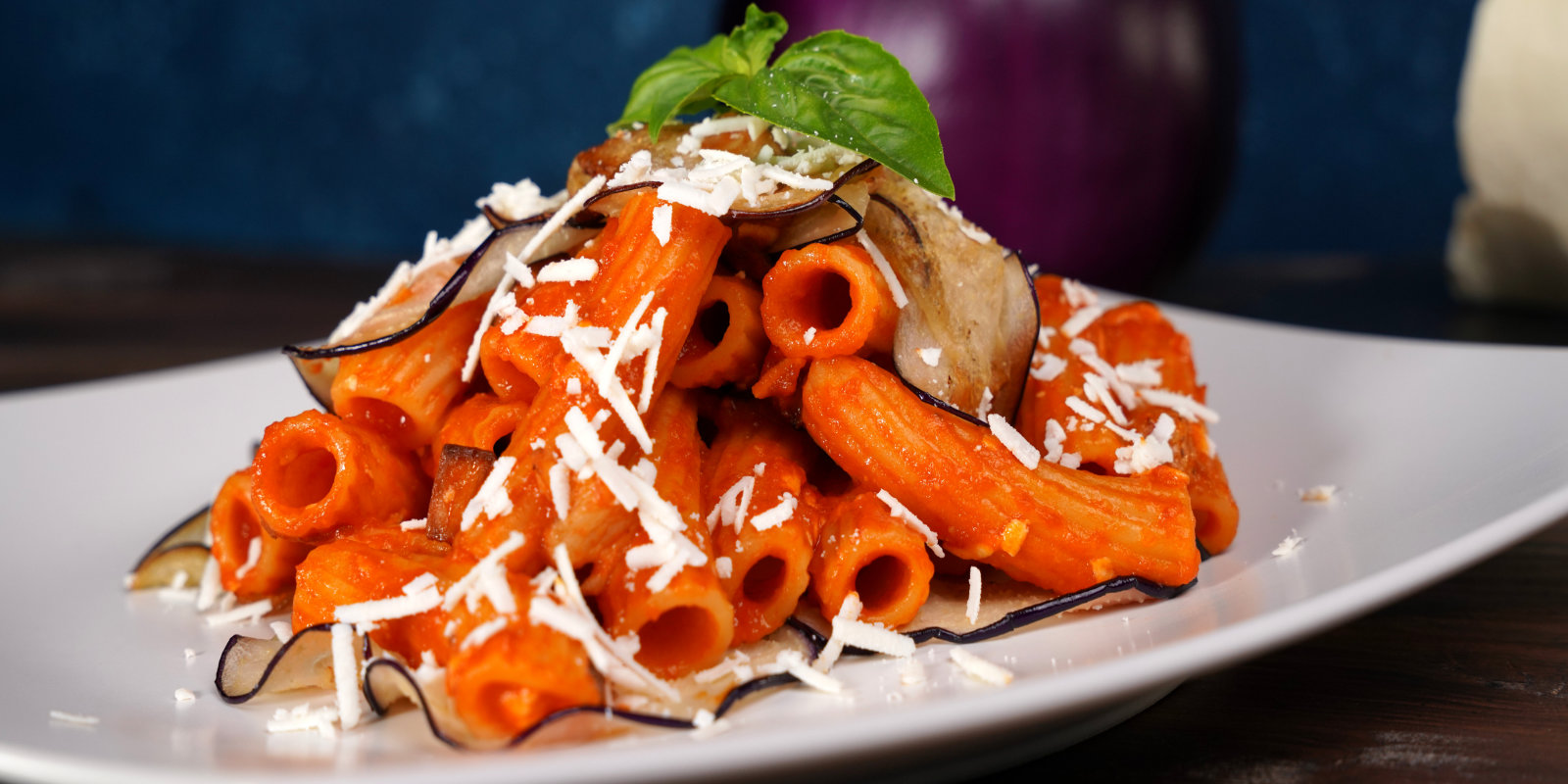
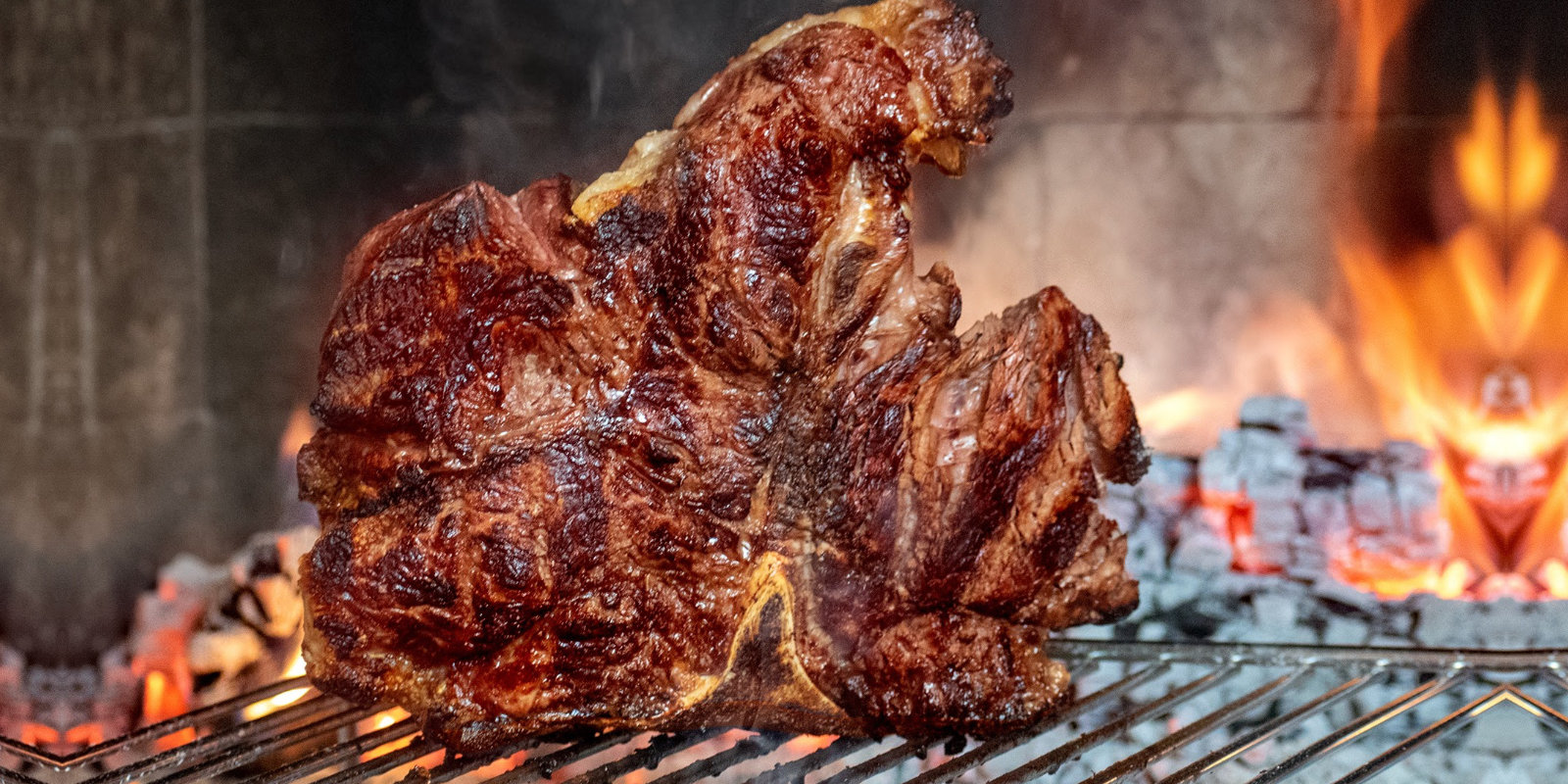
As an Amazon Associate, we earn from qualifying purchases. This means at no extra cost to you, PIATTO may earn a small commission if you click the links and make a qualifying purchase.
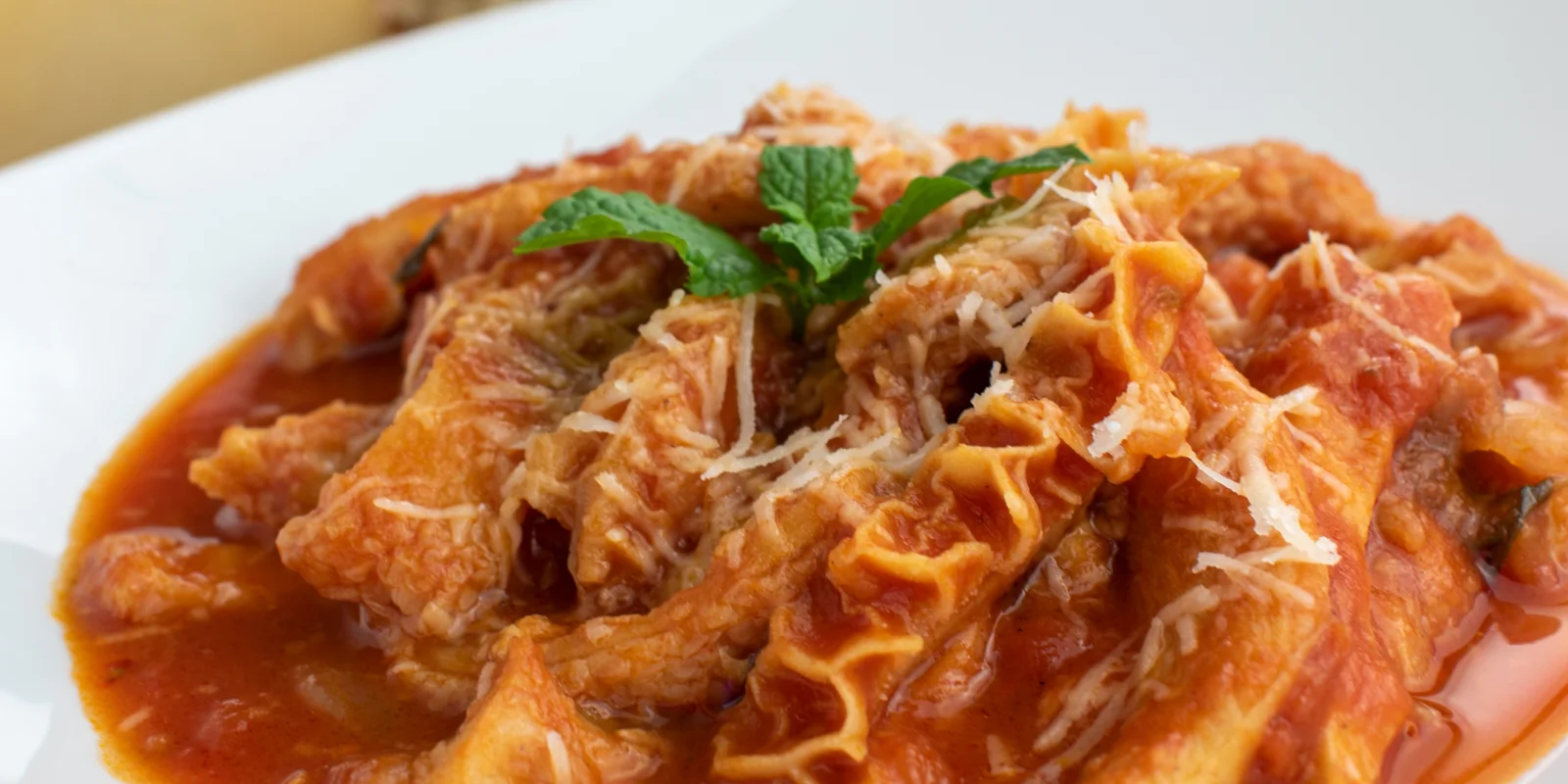
Italian Tripe Recipe – Trippa alla Romana
Ingredients
- 2.2 lb beef tripe cleaned
- 1 onion for pre-cooking the tripe
- 1 carrot for pre-cooking the tripe
- 1 rib celery for pre-cooking the tripe
- 1 onion chopped
- ½ carrot chopped
- 1 rib celery chopped
- 28 oz crushed tomatoes
- handful fresh mint minced
- 4 tbsp pecorino romano cheese finely grated
- ½ cup dry white wine
- 4 tbsp olive oil or as needed
- fresh chili peppers to taste
- fine salt to taste
- black pepper to taste
Instructions
Pre-Cook the Tripe
- Boil the tripe for 15 minutes in salted water with a whole onion, carrot and celery to remove the last of the odor. Drain and set aside.
Sauté the Tripe
- Coat the bottom of a skillet generously with olive oil. Sauté the chopped onion, carrot and celery over medium-low heat until the onions start to appear translucent.
- Add the tripe to the vegetables and salt and pepper to taste. Cook for a few minutes over medium heat.
- Add a ½ cup of white wine. Stir, and cook until the wine has evaporated.
Make the Sauce
- Add crushed tomato and a 1 1/2 cups of water to the tripe.
- Bring the sauce to a boil. Add a handful of fresh mint and a pinch of salt.
- Cover and cook the tripe in the sauce over medium-low heat for 2 hours.
Finish with Pecorino Cheese
- After the two hours, turn off the heat and add about 4 Tbs of freshly grated Pecorino Romano cheese. Stir to melt the cheese. Feel free to top with more pecorino when you serve the dish.
Video
Nutrition

Pasta and Weight Management: Debunking the Myth
Addressing concerns about weight gain and loss, scientific evidence suggests that pasta, when consumed in appropriate portions and as part of a balanced diet, can be included in a successful weight management plan. Pasta’s moderate glycemic response, combined with its satiating properties, can contribute to feelings of fullness and help control appetite.
Portion control plays a crucial role in weight management. Enjoying a reasonable serving size, typically around one cup cooked, allows for a satisfying meal while controlling calorie intake. Pairing pasta with nutrient-dense ingredients such as lean proteins, vegetables, and healthy fats enhances its nutritional profile and provides a well-rounded, satisfying meal.
Cooking methods also influence the impact of pasta on weight management. Opting for healthier cooking techniques like steaming, boiling, or sautéing with minimal oil can reduce unnecessary calorie intake while maintaining the integrity of the dish.
It’s important to note that overall dietary patterns and lifestyle choices have a more significant impact on weight management than any single food. A balanced, calorie-controlled diet coupled with regular physical activity remains the key to maintaining a healthy weight.
Want to learn more on this topic?
- Pounis, G., et al. (2011). Pasta consumption and body mass index in Italian adults: results from the Moli-sani Study. Nutr Metab Cardiovasc Dis, 21(12), 926-931.
- Melanson, K. J., et al. (2011). Consumption of whole grains reduces fasting plasma insulin and increases insulin sensitivity in overweight and obese adults: results of a randomized controlled-feeding trial. Journal of Nutrition, 141(2), 229-234.
- Orlich, M. J., et al. (2014). Vegetarian dietary patterns and the risk of colorectal cancers. JAMA Internal Medicine, 174(5), 767-776.

Decoding “Healthy” Italian Pasta Brands
Determining which Italian pasta brands are considered “healthy” requires careful evaluation of various factors. While no single brand can be deemed universally healthy, considering aspects such as ingredient quality, processing methods, and nutritional value can help guide your choices.
- durum wheat semolina or whole wheat flour
- bronze ‘cut’ pasta
- organic or non-GMO
Look for brands that prioritize high-quality ingredients, such as durum wheat semolina or whole wheat flour, as the primary components of their pasta. Brands that use traditional production methods, such as bronze die extrusion, tend to create a rougher surface on the pasta, allowing it to hold sauce better and enhancing the overall eating experience.
Additionally, certifications such as “organic” or “non-GMO” can provide reassurance regarding ingredient quality and sustainable farming practices. These certifications ensure that the pasta is free from harmful pesticides, genetically modified organisms, and other potential contaminants.
While the nutritional content of pasta may vary slightly among brands, choosing whole wheat or multigrain options over refined white pasta can provide higher fiber content and additional nutrients. Whole wheat pasta retains more of the grain’s natural fiber and nutrients, contributing to better digestion and prolonged satiety.
Ultimately, selecting “healthy” pasta brands depends on personal preferences, dietary needs, and an understanding of the brand’s commitment to quality and nutritional value.
Want to learn more on this topic?
- Prakash, V., et al. (2013). Quality characteristics of pasta as influenced by bran type, addition level and blending. Food Chemistry, 141(1), 196-202.
- Sánchez‐Moreno, C., et al. (2012). Nutritional quality of pasta enriched with isolated lupin protein fractions. Journal of the Science of Food and Agriculture, 92(13), 2622-2628.
- Siani, D., et al. (2017). Organic versus conventional pasta: Comparison of production processes through the environmental, economic, and social sustainability lenses. Journal of Cleaner Production, 161, 126-134.
Best Dried Pasta from Italy?
Check out our guide on the Best Pasta Brand in Italy where we consider many factors including ingredients, production methods and taste!
Nutritional Profile of Pasta: Micronutrients and Fiber Content
Beyond carbohydrates, pasta offers a range of essential nutrients that contribute to a healthy diet. It serves as a good source of complex carbohydrates, which provide sustained energy. Pasta also contains important micronutrients such as iron, B vitamins (thiamine, riboflavin, niacin), and selenium.
Iron, essential for transporting oxygen in the body, plays a crucial role in preventing iron-deficiency anemia. B vitamins are involved in energy production, metabolism, and the maintenance of a healthy nervous system. Selenium acts as an antioxidant and supports thyroid function and immune health.
Choosing whole wheat or multigrain pasta over refined white pasta provides the additional benefit of increased fiber content. Fiber promotes satiety, aids digestion, and helps maintain stable blood sugar levels. Whole wheat pasta can offer approximately 2-3 times more fiber than its refined counterpart, contributing to overall health and well-being.
Want to learn more on this topic?
- USDA FoodData Central. (2021). Pasta, dry, enriched.
- Pilch, S. M., et al. (2016). Fortification of grain-based foods: opportunities to improve public health. Journal of Nutrition, 146(3), 509S-514S.
- Elhaj, O. A., et al. (2018). Dietary selenium and major depressive disorder: an updated systematic review and meta-analysis. Nutrients, 10(7), 1-19.
Pasta and the Mediterranean Diet: A Healthy Pairing
Pasta seamlessly integrates into the Mediterranean diet, a dietary pattern renowned for its health benefits. The Mediterranean diet emphasizes whole, minimally processed foods, lean proteins, ample fruits and vegetables, healthy fats (such as olive oil), and moderate amounts of dairy and wine.
In the context of the Mediterranean diet, pasta is typically consumed in moderation and accompanied by an array of nutrient-rich ingredients. The inclusion of vegetables, legumes, lean proteins (like fish or poultry), and healthy fats alongside pasta creates a balanced meal that provides essential nutrients and promotes overall health and longevity.
The Mediterranean diet’s emphasis on variety, portion control, and a predominantly plant-based eating pattern complements the inclusion of pasta, fostering a well-rounded and wholesome approach to nutrition.
Want to learn more on this topic?
- Sofi, F., et al. (2010). Adherence to Mediterranean diet and health status: meta-analysis. British Medical Journal, 337, a1344.
- Kontogianni, M. D., et al. (2008). Adherence to the Mediterranean diet and risk of the metabolic syndrome and its components. Nutr Metab Cardiovasc Dis, 18(6), 441-447.
- Trichopoulou, A., et al. (2003). Modified Mediterranean diet and survival: EPIC-elderly prospective cohort study. British Medical Journal, 327(7421), 1-7.
See all Mediterranean Diet Recipes on PIATTO! Including…
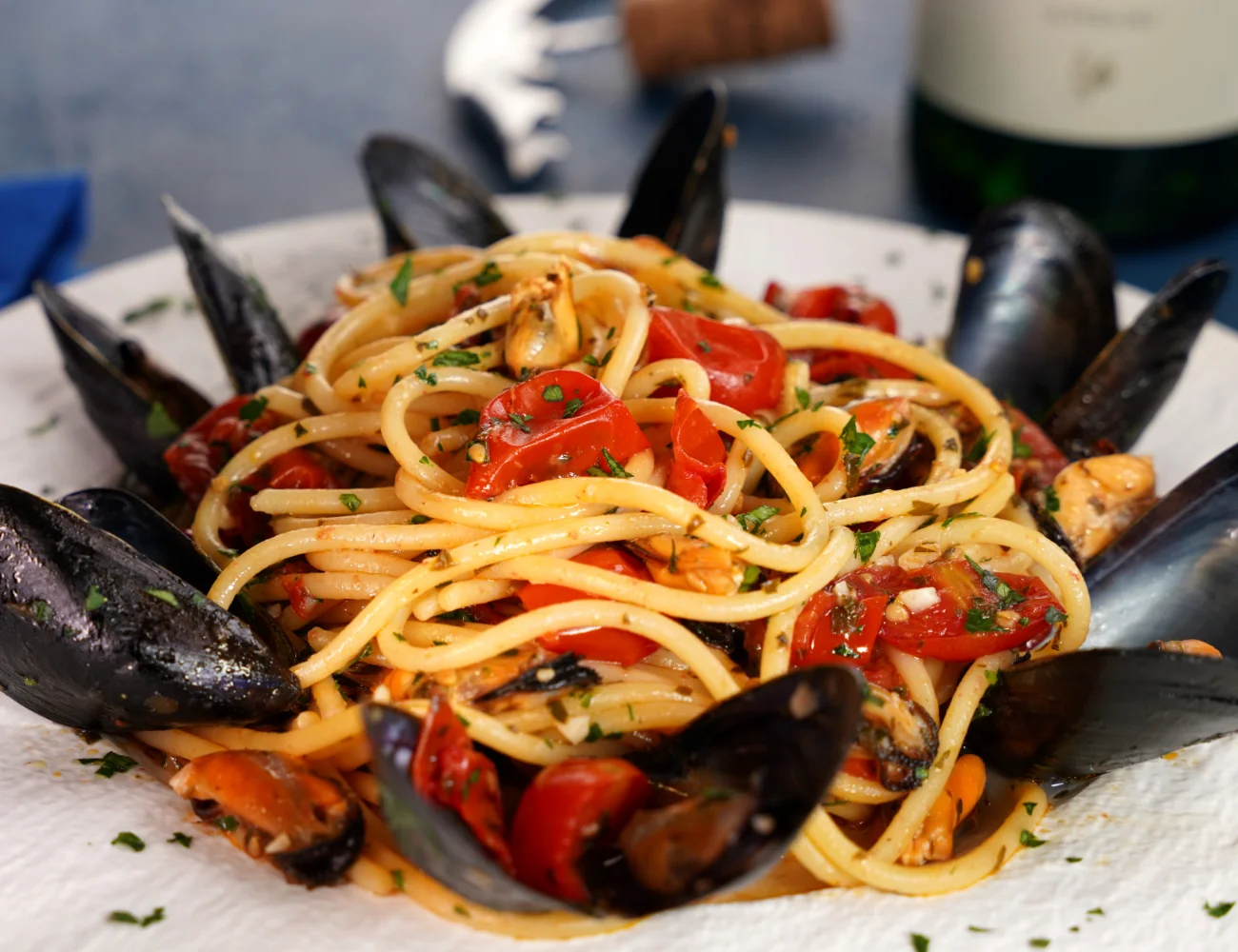
- Seafood Spaghetti Recipe
- Spaghetti alla Puttanesca Recipe
- Best Spaghetti Aglio Olio Recipe
- Authentic Italian Caprese Salad
So, what’s the answer? Is Pasta Healthy?
In the quest to unravel the truth about pasta’s healthiness, we’ve explored the latest scientific research and uncovered valuable insights. Pasta, when consumed in moderation and as part of a balanced diet, can be a nutritious and satisfying choice. Factors such as blood sugar response, portion control, cooking methods, and the selection of quality ingredients are crucial in making informed decisions. Remember, a healthy diet is a tapestry of diverse foods, mindful eating practices, and an overall balanced lifestyle. So, go ahead and savor that bowl of pasta, knowing that it can be part of a delicious and health-conscious culinary journey.